
 English




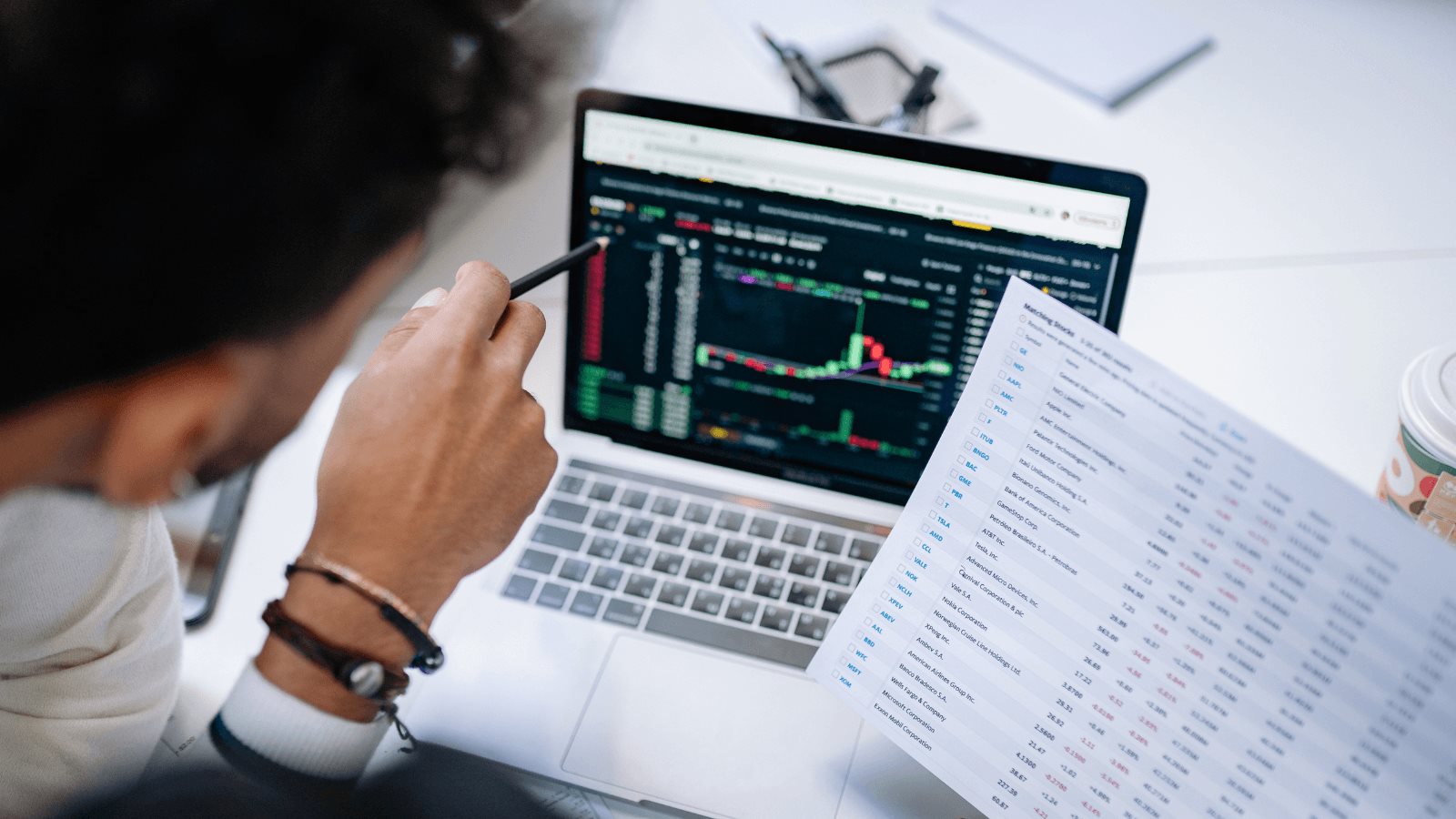
Starting to learn about trading can feel overwhelming. There are financial markets, charts, trading platforms, technical terms and plenty of opinions online.
But before looking for a strategy or placing your first trade, it’s more useful to understand the fundamentals: what trading is, how markets work and how risk affects every trading decision.
Trading involves buying and selling financial instruments with the aim of benefiting from changes in their price. Depending on the market, these instruments can include stocks, currencies, indices, commodities and other financial products.
The first step isn’t learning how to make money from the market. It’s learning how the market works.
What Is Trading?
Trading generally involves taking a position based on an expectation that the price of an instrument will change.
For example, a trader may take a position because they believe a market could move higher or lower. The decision can be based on factors such as price behaviour, economic information, market conditions or a combination of different types of analysis.
This makes trading different from simply buying an asset and hoping its value increases.
A trading decision should consider:
- Why you’re entering the trade
- What you’re expecting to happen
- How much you’re willing to risk
- What would invalidate your idea
- When you would exit
Online trading can be quick, but making informed investment decisions still requires research and understanding the risks involved.
What Markets Can You Trade?
There isn’t one single financial market. Different markets have different characteristics and risks.
Common examples include:
- Stocks – shares representing ownership in a company.
- Forex – the global market for exchanging currencies.
- Indices – instruments that track the performance of a group of companies or securities.
- Commodities – markets involving assets such as gold, oil and agricultural products.
- Cryptocurrencies – digital assets traded on cryptocurrency markets.
Before trading any of them, it’s important to understand how the specific market works, including its costs, liquidity, trading hours and risks.
What Makes Prices Move?
Prices change as buyers and sellers interact in the market.
A wide range of factors can influence that interaction, including:
- Economic data
- Interest rates
- Company performance
- Supply and demand
- Market sentiment
- Geopolitical events
- Expectations about future events
This is why trading isn’t simply about predicting whether a price will go up or down.
A trader needs to consider context, timing and risk alongside the direction of the market.
Risk Comes Before the Trade
One of the most important concepts for a beginner is understanding that every investment and trading decision involves risk.
Investments can lose value and understanding your risk tolerance is an important part of making financial decisions.
For a trader, risk management can include deciding:
- How much capital to risk
- Where a trade idea becomes invalid
- Whether a stop-loss is appropriate
- How large the position should be
- What costs are involved
- When to stay out of the market
The objective isn’t to eliminate risk — that’s not possible. It’s to understand and manage the risk you’re taking.
What About Leverage?
Leverage allows traders to control a larger position relative to the capital committed.
It can increase exposure to market movements, which means it can also increase losses.
For beginners, understanding leverage should come before using it. The mechanics and risks can vary significantly depending on the financial product and provider.
Should You Start With a Demo Account?
For someone new to trading, a demo account can be a useful way to learn how a trading platform works without immediately committing real capital.
You can use a demo environment to practise:
- Reading charts
- Placing orders
- Setting stop-loss and take-profit levels
- Following a trading plan
- Recording your decisions
But demo trading has limitations. Trading with simulated money doesn’t fully reproduce the psychological experience of risking real capital.
Think of it as practice, not proof.
Common Mistakes Beginners Make
Many beginner mistakes come from trying to move too quickly.
Some common examples include:
- Trading without understanding the market
- Risking too much on a single position
- Using leverage without understanding it
- Following unverified tips from social media
- Expecting quick or guaranteed returns
- Entering trades without a clear plan
Many regulators encourage new investors to educate themselves, understand what they are investing in and avoid relying on hunches or “hot tips.”
A Simple Checklist Before Your First Trade
Before entering a trade, ask yourself:
What am I trading? Do I understand the instrument and the market?
Why am I considering this trade? What is the actual idea behind the position?
What would prove me wrong? Where would the trade idea become invalid?
How much am I willing to risk? Have I considered position size and potential loss?
Do I understand the costs? Have I considered spreads, commissions or other applicable charges?
When should I stay out? Not every market situation requires a trade.
If you can’t answer these questions yet, that’s not a problem. It simply means there is more to learn before putting the idea into practice.
Start With the Fundamentals
Learning to trade doesn’t have to happen all at once.
A strong starting point is to understand how markets work, how prices behave, how to read a chart and how to manage risk. Once those foundations are in place, you can start exploring more advanced concepts and developing a structured approach to trading.
If you want to build those fundamentals step by step, explore Foundations to Your First Trade — RiskWise Academy’s beginner course covering markets, price movement, charts, risk management and your first demo trade.
Learn first. Practice deliberately. Then decide what comes next.